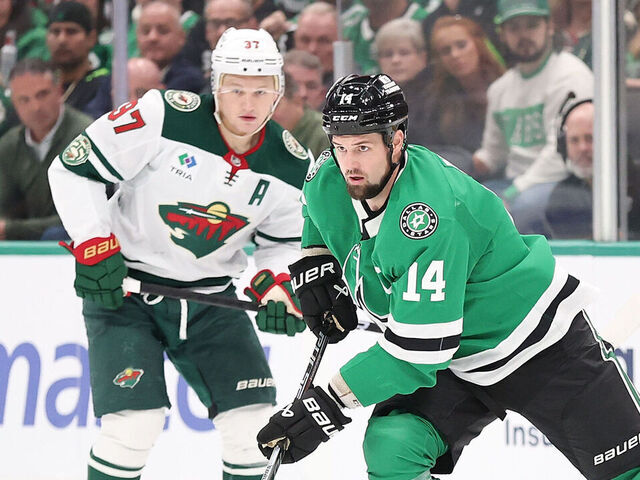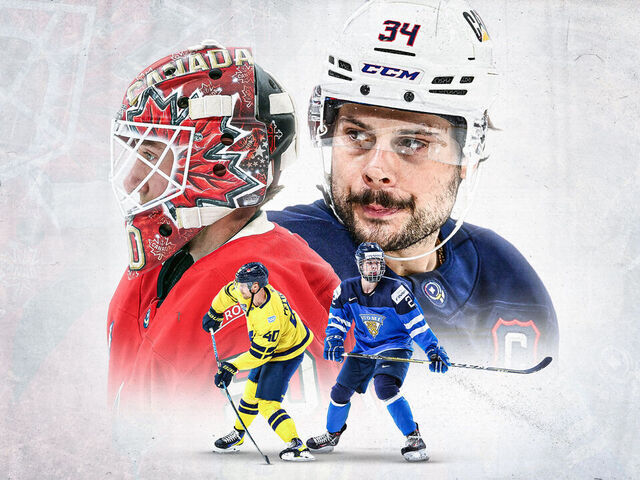
Even teams full of superstars aren't perfect. So, with the Olympic men's hockey tournament set to begin Wednesday, we examine the most pressing question facing each medal contender.
🇨🇦 How long is Binnington's leash?
Realistic goal: gold or bust
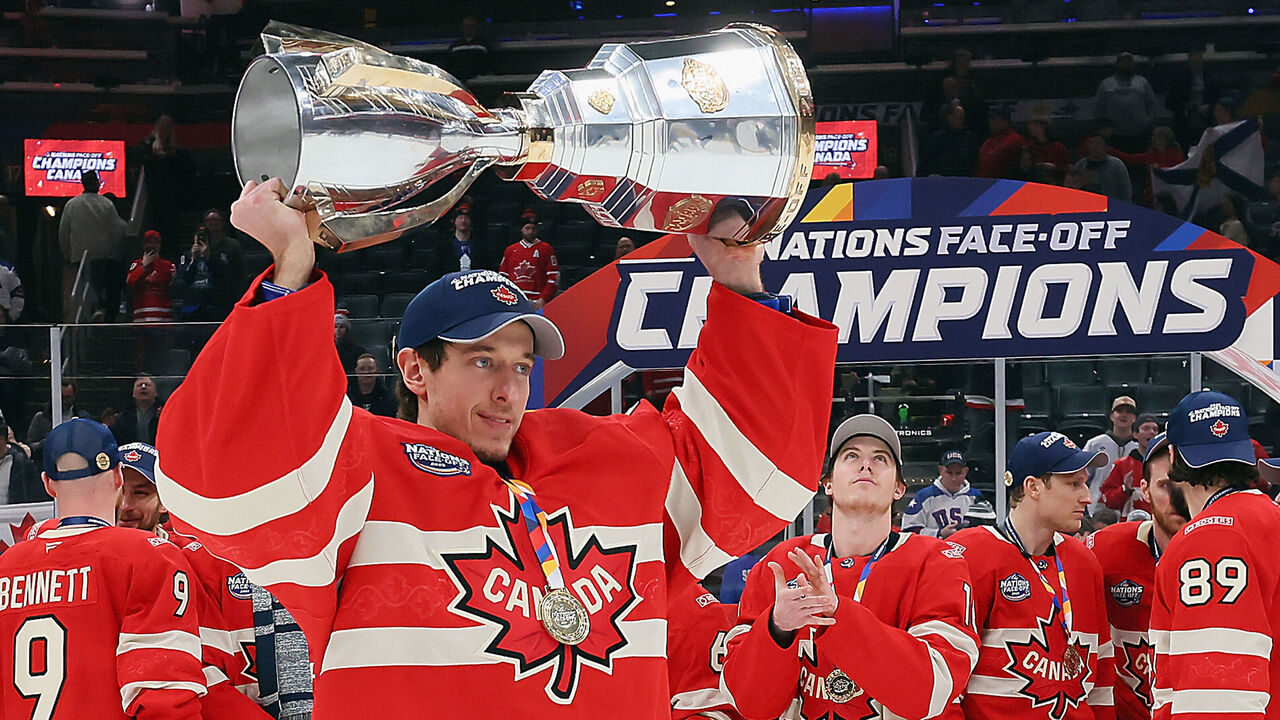
It's no secret that Canada's biggest weakness is between the pipes. Jordan Binnington is the favorite to start Game 1 against Czechia despite owning a horrendous .864 save percentage with the St. Louis Blues this season. His struggles last year didn't stop Canada from playing him every minute of the 4 Nations Face-Off. He had some ups and downs early in the tournament, but sticking with him proved to be the right move, as he shined in the final versus the United States.
The Olympics is a longer tournament with fewer tests in the round robin. Canada opens with games on back-to-back days, so it's likely Logan Thompson or Darcy Kuemper gets the nod against Switzerland. If Binnington struggles in the opener and Thompson or Kuemper - who both have better NHL numbers this season - look sharp versus the Swiss, is that it for the 32-year-old? Or will Canada stick with him no matter what?
Canada's third and final round-robin game against France won't be much of a test for any goalie. After that, every meeting is an elimination game, where it'll be difficult for head coach Jon Cooper to make a goalie change. There's a strong chance that whoever starts versus France will be Canada's guy the rest of the way.
🇺🇸 Who emerges as leader?
Realistic goal: gold or bust
The United States boasts arguably the deepest roster in the tournament - even deeper than Canada. But it's lacking a true apex predator to lead the group. You could make the case that Canada has four: Sidney Crosby, Connor McDavid, Nathan MacKinnon, and Cale Makar.
Who's going to be that dude for the U.S.? Who will the rest of the team look to when the stakes are high?
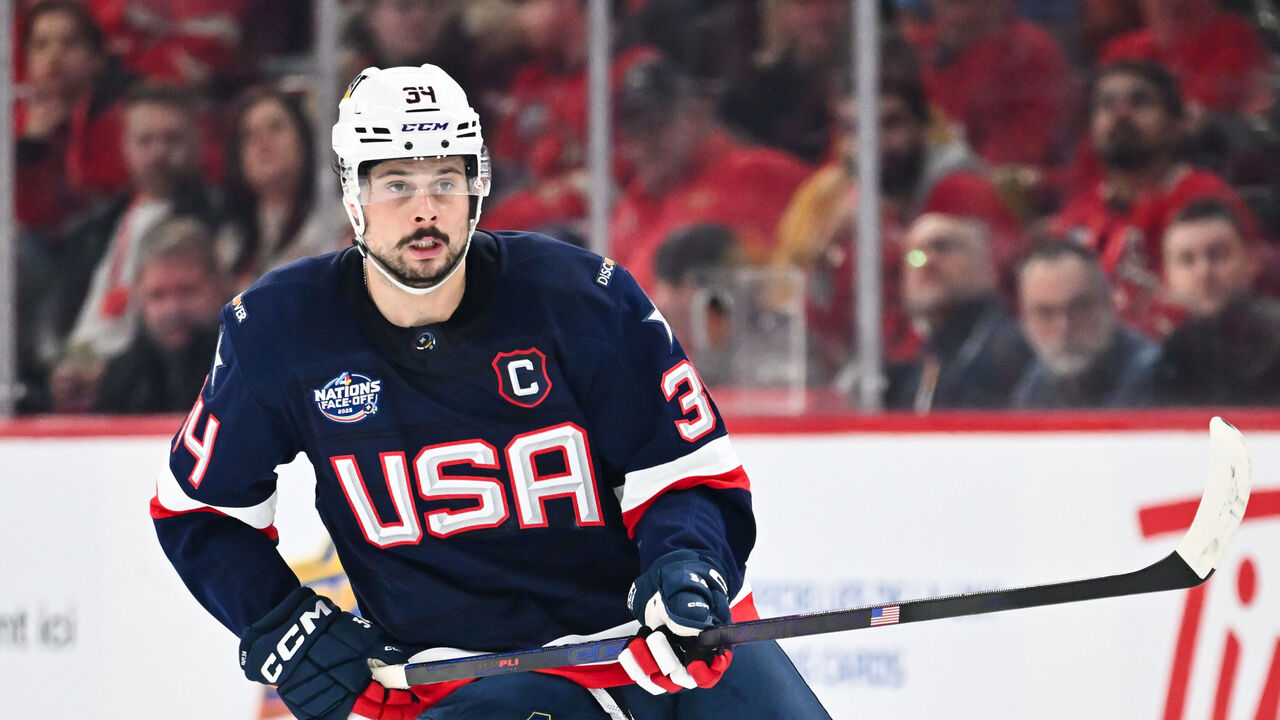
Auston Matthews was handed the "C" at the 4 Nations and for the Olympics, but his superstar shine is beginning to wear off a bit. He is mired in a second straight down year - relative to his lofty standards - and hasn't proven to be a big-game player.
The Tkachuk brothers will undoubtedly serve as emotional leaders, but elder sibling Matthew isn't in peak form after missing most of the season with an injury. Jack Eichel is capable of being that guy and has a Stanley Cup ring to prove it. Quinn Hughes or Zach Werenski could assume the role on the back end, but neither of them have won on a stage this grand.
🇸🇪 Which center steps up?
Realistic goal: make final
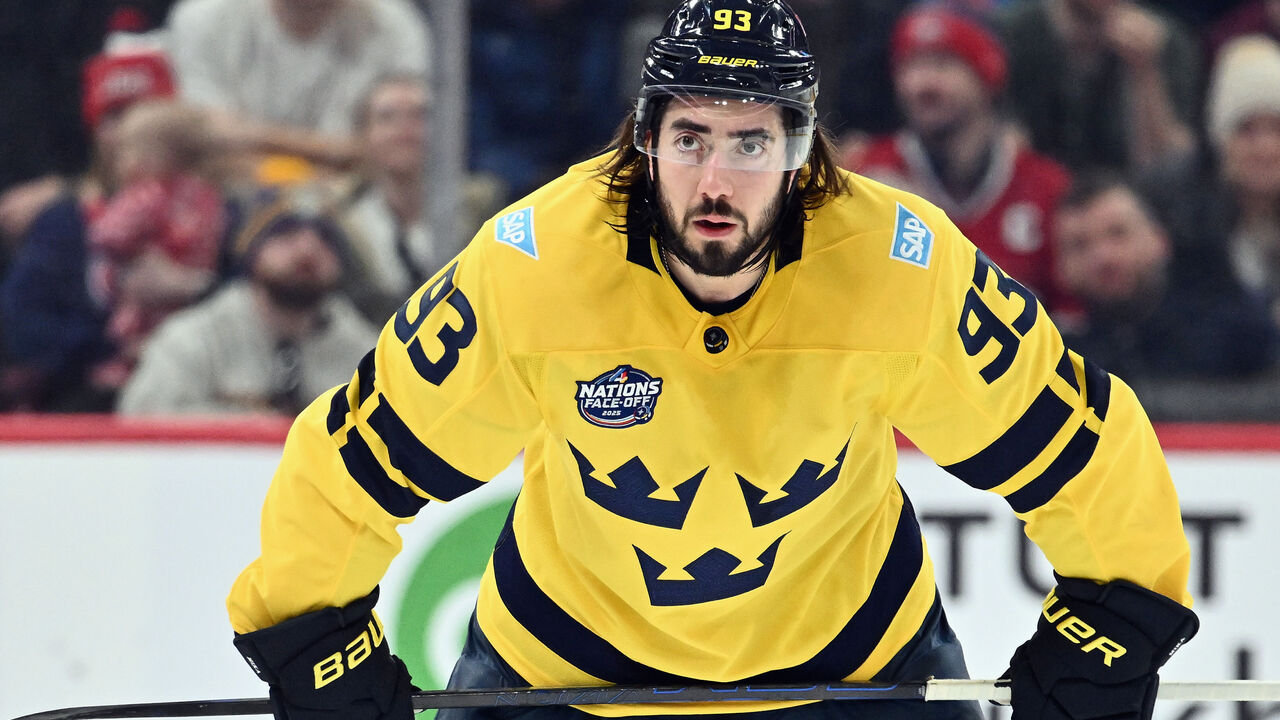
Leo Carlsson's rise to stardom this season was one of the most significant developments for the Swedes. He filled the team's biggest weakness as a legitimate top-line center. But with Carlsson out of the tournament due to injury, it's back to square one.
Sweden's center depth consists of Joel Eriksson Ek, Elias Lindholm, Elias Pettersson, Alexander Wennberg, and Mika Zibanejad - all imperfect players. Wennberg and Lindholm will likely be used as reserves. Zibanejad is having a nice year but isn't a great five-on-five player anymore. Eriksson Ek is a two-way workhorse but has a low offensive ceiling. Pettersson possesses the highest ceiling of the bunch, yet he hasn't reached that level in a few years.
Sweden owns an elite blue line, strong wingers, and good goaltending. But one of its centers will have to punch above their weight for the team to make a run to the gold-medal game.
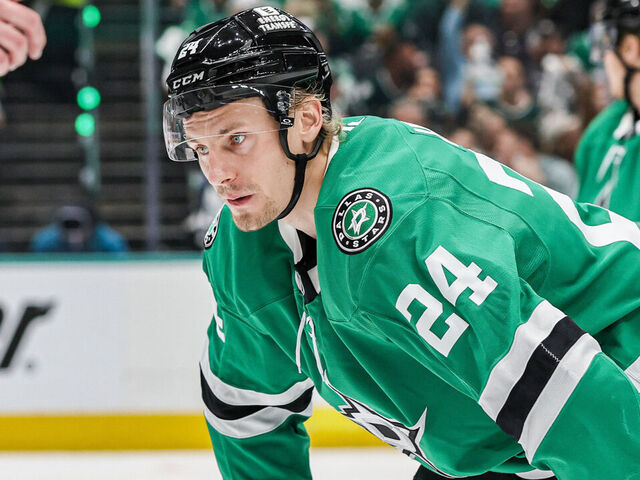
🇫🇮 Can Heiskanen take over?
Realistic goal: make final
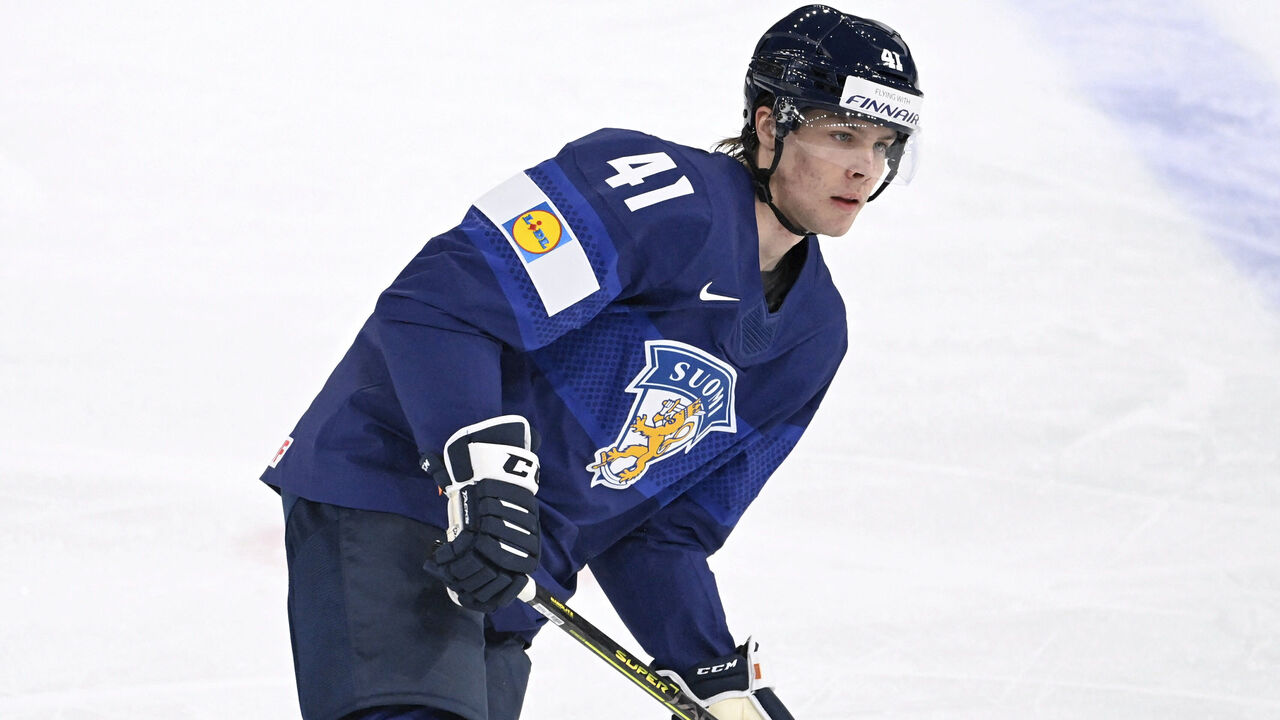
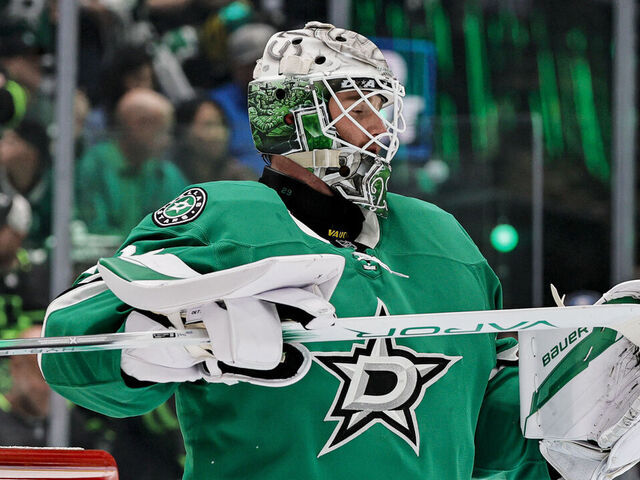
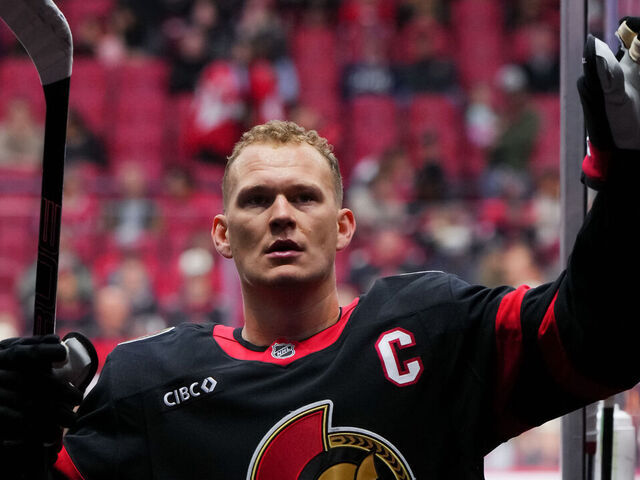
Finland will be without one of its top two players for the second consecutive best-on-best tournament. First, it was Miro Heiskanen at 4 Nations, and now Aleksander Barkov for the Olympics. Fortunately, the Finns are better equipped to handle the loss of Barkov than they were Heiskanen, thanks to impressive center depth led by Sebastian Aho, Roope Hintz, and Anton Lundell.
Heiskanen's presence was sorely missed at 4 Nations because, after him, Finland's blue line is made up of meat-and-potatoes type defensemen. The Dallas Stars workhorse changes everything, allowing those behind him to slot into more appropriate roles. He can play half the game without seemingly breaking a sweat. He's capable of shutting down the best players in the world while generating offense at the other end. If Finland goes on a run, it will be a result of Heiskanen dictating the pace in the biggest games.
🇨🇿 Will D-men move puck well enough?
Realistic goal: medal
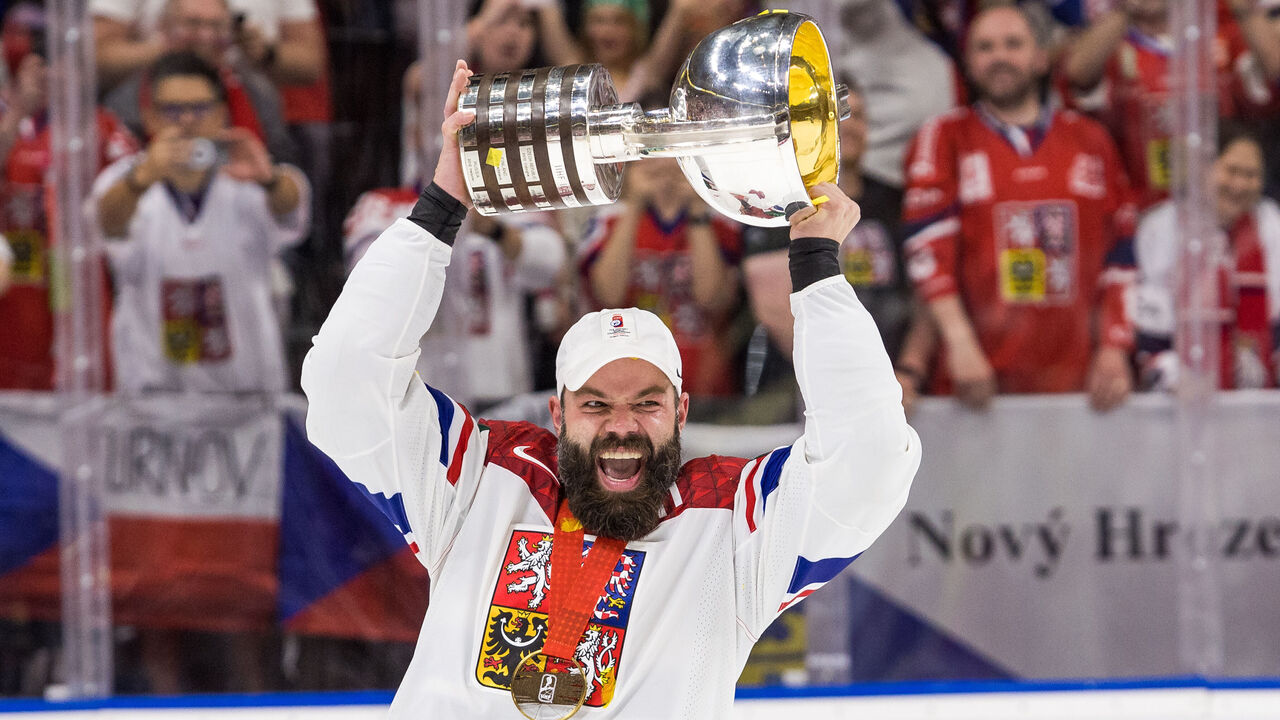
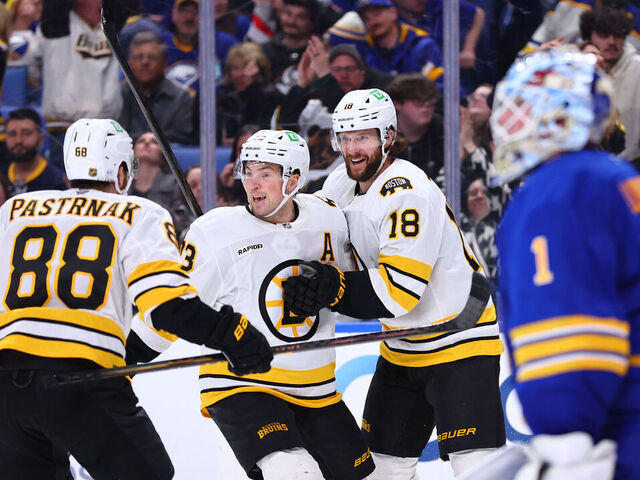
Czechia's forward group is good enough to secure a medal. David Pastrnak, Martin Necas, and Tomas Hertl will lead the push, and there are multiple trustworthy pieces down the forward lineup. But the blue line is a different story.
Filip Hronek will be leaned on heavily as the only defenseman with above-average mobility and offensive skills. Radko Gudas will be relied upon in a shutdown role. Beyond those two, the group is made up entirely of non-NHLers. Can they handle the speed of top opponents? If not, Czechia will be hemmed in its own end and unable to get the most out of its talented forwards.
🇨🇭Does Genoni have more magic?
Realistic goal: medal
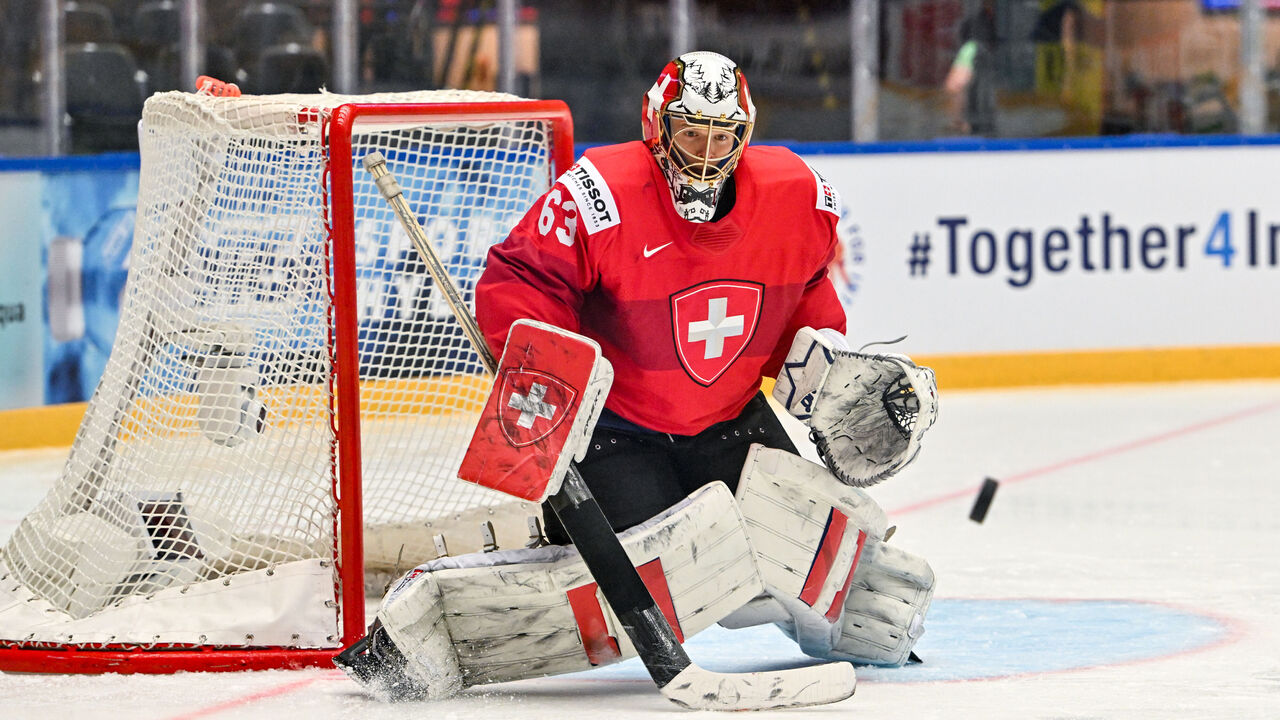
Switzerland has an NHL goalie on its Olympic roster in Akira Schmid of the Vegas Golden Knights, but you can bet head coach Patrick Fischer will hitch his wagon to Swiss league legend Leonardo Genoni. The 38-year-old has no NHL experience but has been a stud internationally. He recorded a .961 save percentage in three appearances at the 2022 Olympics and owns a .931 mark across 48 career World Championship games. Plus, he's stifled some NHLers along the way
If Genoni, a three-time World Championship silver medalist, has more international magic up his sleeve, Switzerland could pull off some upsets and reach the semis.
🇩🇪 Can depth players hold their own?
Realistic goal: make semis
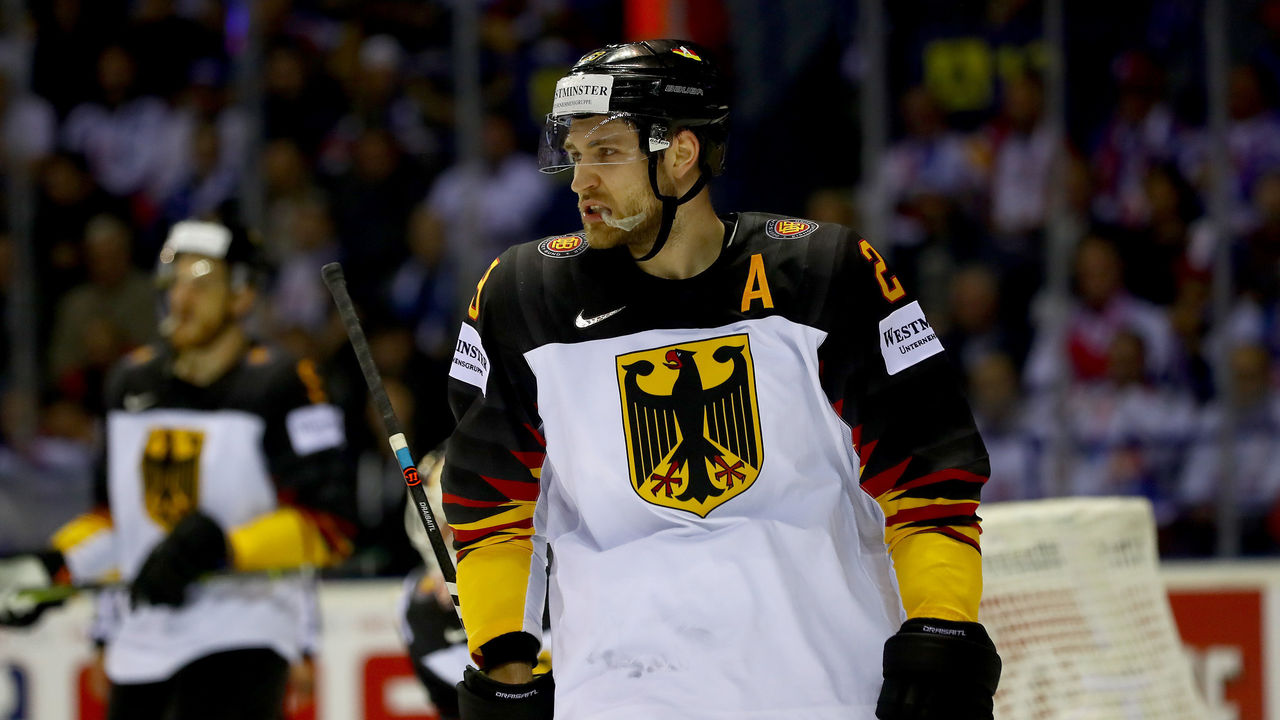
The Germans are the biggest long shot listed here, but it would be foolish not to at least consider them a threat to medal, considering their star power. Germany can build two strong forward lines around Leon Draisaitl, JJ Peterka, and Tim Stutzle. Moritz Seider will likely log upwards of 30 minutes per night on defense. Even goaltender Philipp Grubauer, who's having a bounce-back year with the Seattle Kraken, should inspire confidence.
But what about when the bottom-six forward group takes the ice? And what happens when Seider rests? Can Germany's depth players tread water, or will they get exposed against deeper teams?