HOF takeaways: Beltrán's election helps baseball move on from Astros scandal
The National Baseball Hall of Fame welcomed two new members Tuesday, as the BBWAA elected Carlos Beltrán and Andruw Jones into the class of 2026. Here are the biggest takeaways from the vote.
Punishment served
There are undoubtedly going to be a lot of folks outside of Houston - and particularly in Los Angeles - who are steamed at seeing Beltrán get the call because of his prominent role in the 2017 Astros' sign-stealing scandal. It's understandable as a fan, to be sure. But his election also signals that it's time for everyone to move on.
To quickly review: Beltrán was the only Astros player publicly named in the commissioner's report on the scandal. Beltrán initially denied involvement, but was then cited as a central figure in the scheme. After that, he lost his job as Mets manager - a position he'd held for barely two months - before ever managing a game.
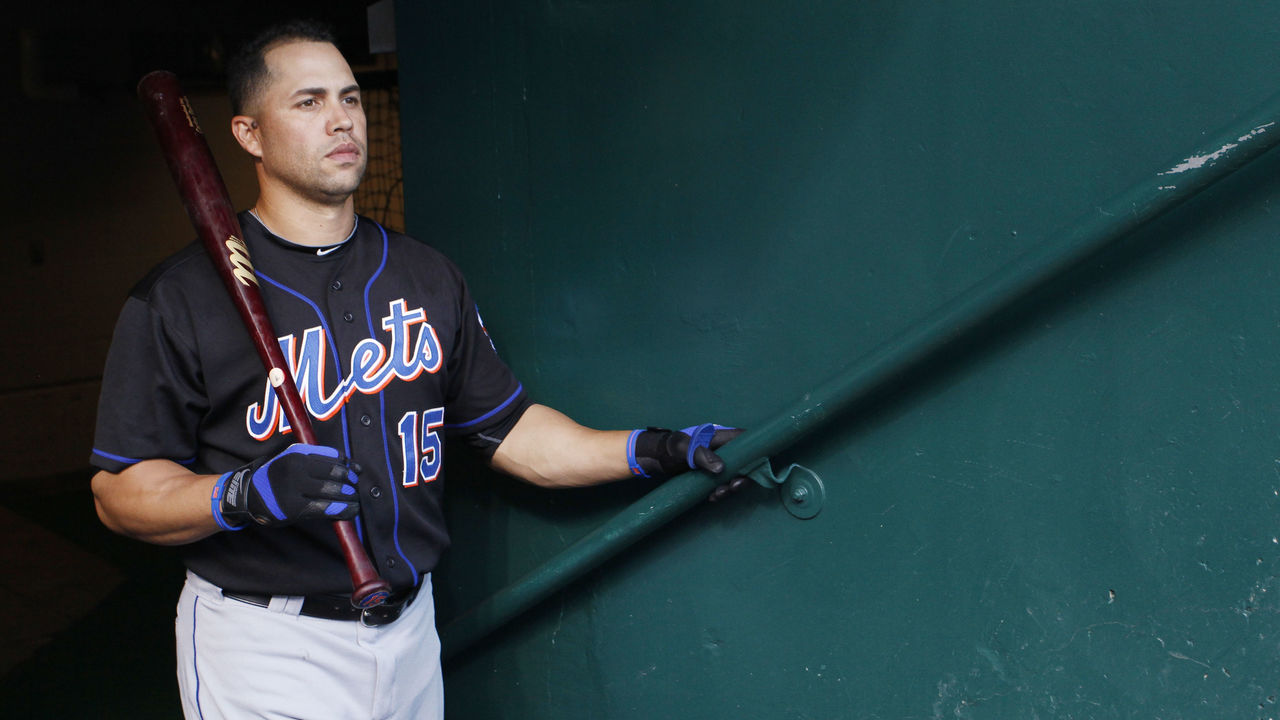
Between losing the Mets job and waiting four years to get into Cooperstown, it's fair to say that Beltrán has now served his "punishment" of sorts. And that's enough. The entire saga, while blatantly against the rules, was nothing new to baseball, and not on the same level as other scandals. The history of illegal sign-stealing is well documented, dating back to the 1900s. Heck, the Astros weren't even the only team doing it in 2017. That was the same year the Boston Red Sox - who played Houston in the 2017 playoffs - were caught using an Apple Watch to steal opponents' signs.
Like they did with Roberto Alomar over his spitting incident, many voters decided to play gatekeeper for a couple of years to send some kind of message to Beltrán about his transgressions. Based on the vote totals, some may still hold it against him. That's their prerogative. But now he's officially served his time, and we can move on to celebrating his brilliant career.
Changing trends
Tuesday's election will be remembered as a celebration of center fielders, but it was also a big day for modern players with non-traditional Hall of Fame resumes. One player in particular, longtime Mariners ace Félix Hernández, should be pumping his fist after seeing the results.
Hernández was perhaps the biggest beneficiary of this year's wide-open ballot, leaping from 20.6% in his 2025 debut to 46.1% on this year's vote. That's a jump of 25.56%, giving him the largest year-over-year gain since modern BBWAA voting began in 1966, per Hall of Fame tracker Ryan Thibodaux. It's an incredible turn of events for a player who many feared was going to go one-and-done last winter.
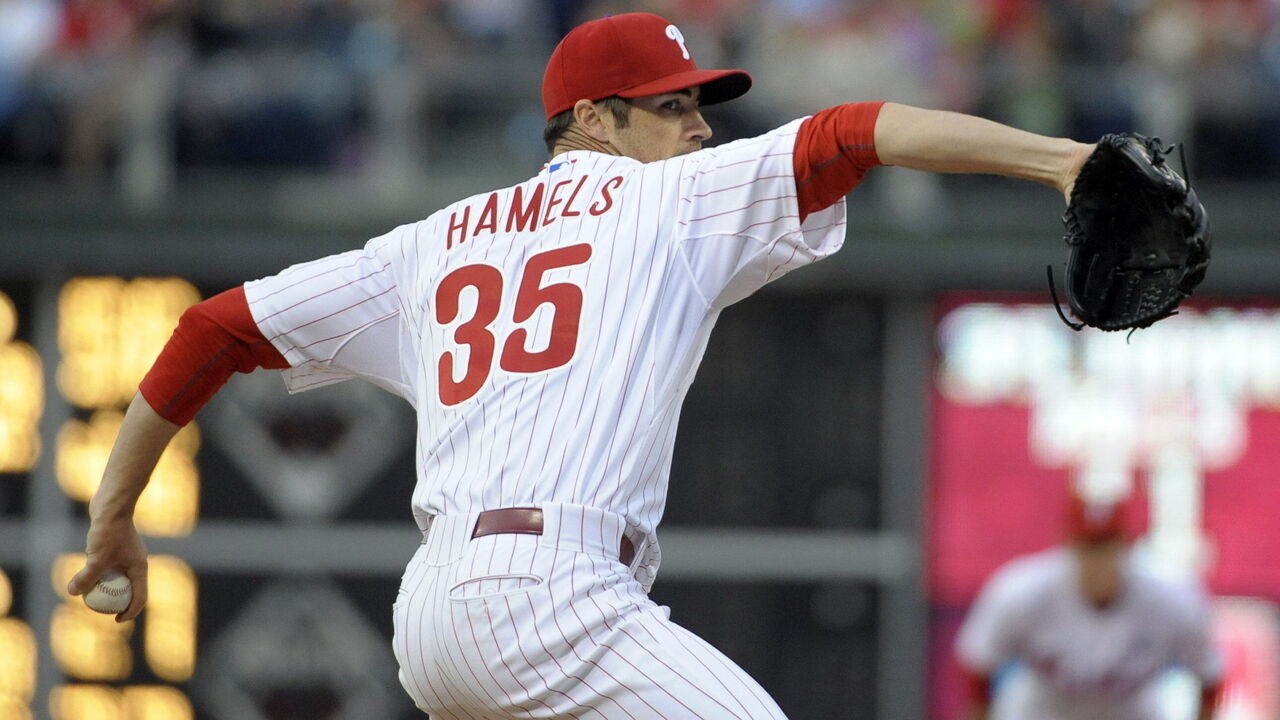
Voters are starting to show that they're open to re-evaluating what a modern Hall of Famer looks like. This is of particular importance on the mound, where traditional benchmarks like high inning and win totals are going extinct. As Hernández is rising, Cole Hamels - the one newcomer with a legitimate chance of sticking around - debuted at 23.8%. Can he ride King Félix's coattails up the ballot? It's early, and Hamels will have to win a lot of folks over, but the early returns for the lefty are certainly positive.
All of this also applies to Chase Utley on the position player side. The Phillies great saw his support jump by nearly 20% from 2025, no doubt thanks to the logjam having been cleared above him. Utley's a favorite of the analytics crowd, and ranks among the greatest second baseman ever despite missing significant counting milestones such as 2,000 hits or inexplicably failing to win a Gold Glove. Now, he's maybe a year or two away from writing his speech.
Overall, it was a very good day for modern players whose cases are deeper and lack the more traditional round numbers associated with baseball immortality. What makes a Hall of Fame player changes with each era, and we're starting to see what 21st-century Baseball Hall of Famers will look like.
A celebration of center
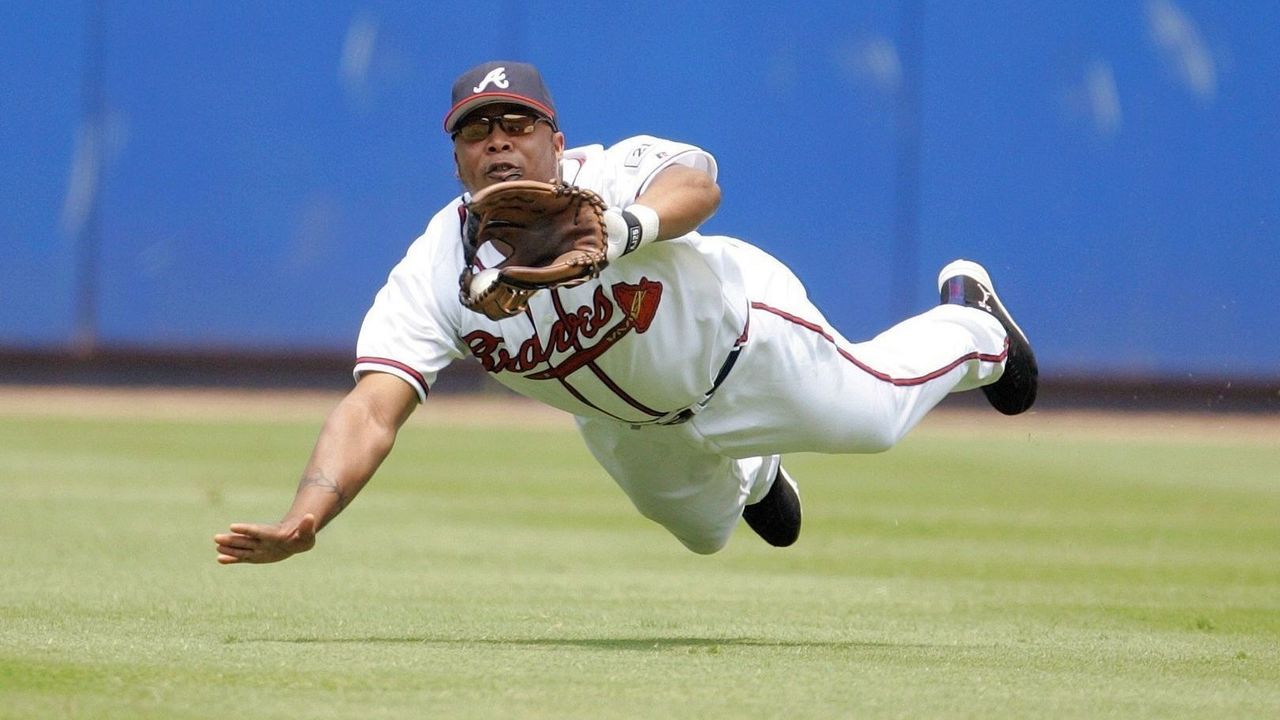
For a position of such importance, it's kind of stunning to see that until Tuesday there were just 25 primary center fielders (including Negro League stars) in the Hall of Fame. Even more shocking was the fact that writers had elected just two center fielders this century before putting Jones and Beltrán in.
Jones, the first Curaçao native to reach Cooperstown, is being honored for his defense. He's the first player to be elected on the BBWAA ballot after failing to reach the 2,000-hit mark while playing entirely in the expansion era (since 1961). He did have some very good offensive years in Atlanta - perhaps even better than you might remember - but it's the glove that got him to Cooperstown. Defense matters, especially in center, and it's great to see the voting bloc finally reward a master of fielding at his position.
Beltrán, meanwhile, was simply the best of the best. A true five-tool talent, he's one of only eight players with 300 homers and steals, led multiple teams to October, and was highly regarded for both his skill and intelligence. There's no doubt that he would have reached 3,000 hits if not for some hard-luck injuries.
Here's hoping that the elections of Beltrán and Jones open the door for some long-overdue corrections in center field. Save for the active Mike Trout, Kenny Lofton, Cleveland's base-stealing wizard who unjustly went one-and-done in 2013, is now the best retired center fielder outside Cooperstown by JAWS. Jim Edmonds, another defensive wizard who didn't have the offensive counting numbers, has also gone overlooked for too long.
Quick hits
- Alex Rodriguez finished with 40% of the vote in Year 5. Is that a sign that the tide is turning for the all-time great shortstop and face of the steroid era? Probably not. A-Rod's still going to need a major push to get over the 75% hump. It feels like he's headed for the same fate as Barry Bonds and Roger Clemens: aging off in the 65% range and then being shut out by committees.
- Manny Ramirez, whose all-time great offense was stained by two PED suspensions near the end of his career, finishes his 10 years of eligibility having failed to crack the 40% mark. His fate now rests in the Era Committee's hands, and they've been very unkind to known PED users.
- Andy Pettitte is another pitcher who's smiling tonight. The Yankees icon had another big jump and is now almost in the 50% range. Time isn't on his side - he's got two years left in front of the writers - but if nothing else he'll finish his 10 years of eligibility in a good spot to go in via the committees.
- It's a bit surprising to see longtime closer Francisco Rodríguez, who ranks sixth all-time in saves, not gain more traction after Billy Wagner's election last year. Relievers are very hard to judge, but Rodríguez now is arguably the best closer outside the Hall, and he's stuck at 11.8%.
- Jimmy Rollins and Bobby Abreu failed to get the big surges they were counting on. Rollins may be able to ride Utley's wave into the Hall over the long term, but Abreu - an oft-overlooked talent even when he was playing - is simply stuck in the mud.
HEADLINES
- U.S. shows offensive muscle in 15-1 win over Giants before WBC
- Profar suspended 162 games after 2nd positive PED test, out of WBC
- Report: Phillies' Rojas fails PED test, won't play in WBC for Dominicans
- World Baseball Classic odds: Who will challenge Team USA?
- World Baseball Classic preview: Everything you need to know