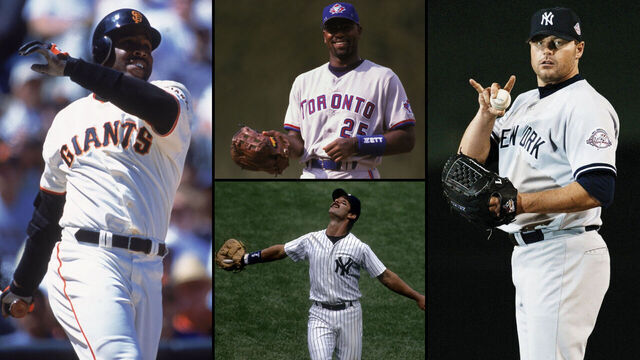
The National Baseball Hall of Fame could welcome new members this weekend, when the results of the 2026 Contemporary Era Committee vote are revealed Sunday at 7:30 p.m. ET.
A 16-member committee will evaluate the candidacies of eight players who spent most of their careers playing after 1980. Like the writers' ballot, candidates need 75% of the vote to be elected. The Hall also introduced new rules for this year's process: anyone receiving five or fewer votes will be ineligible to be on the ballot within the Contemporary Era Committee's three-year cycle. Additionally, if a player falls below the five-vote threshold on a ballot more than once, he'll be disqualified from future consideration.
Here, we break down the cases for and against this year's eight candidates and offer our predictions for Sunday's vote.
All WAR figures are Baseball Reference's version unless otherwise noted.
Barry Bonds
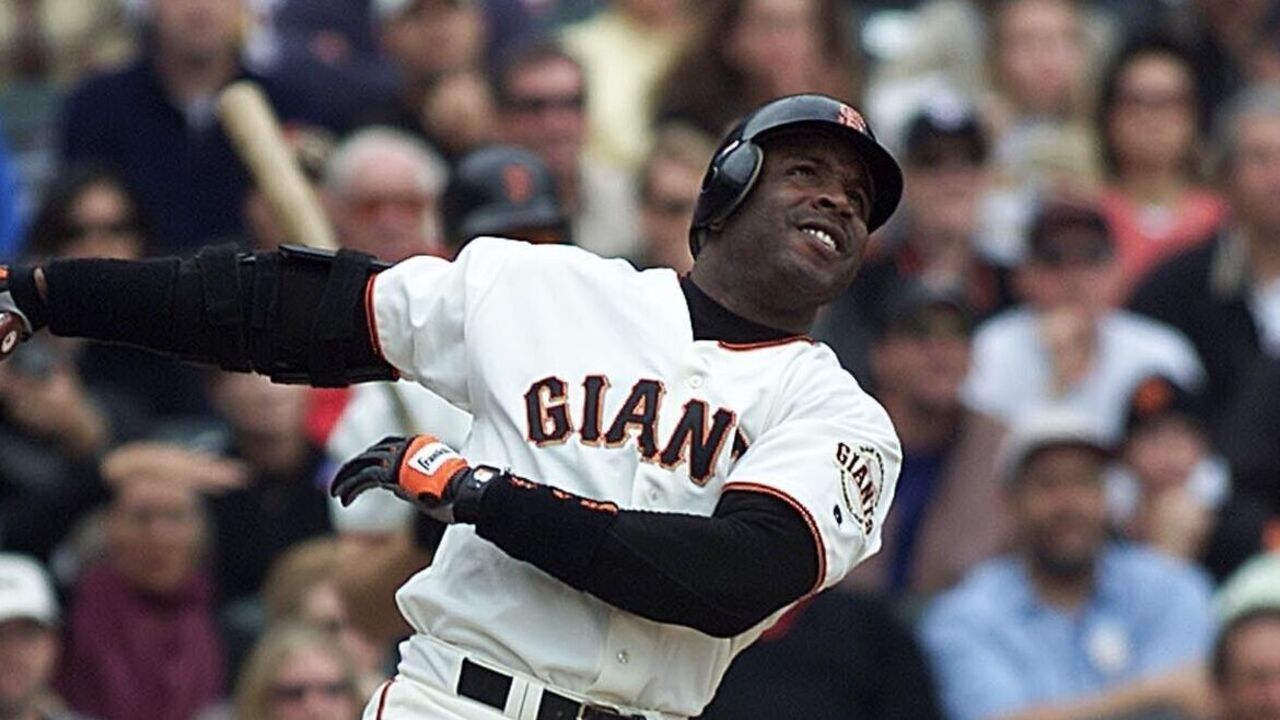
Position: LF
Years: 1986-2007
Teams: Pirates, Giants
JAWS: 117.8 (1st at LF)
WAR: 162.8 (1st)
Last committee appearance: 2023 (fewer than 4 votes)
| GP | BA | OPS | H | HR | RBI | SB |
|---|---|---|---|---|---|---|
| 2986 | .298 | 1.051 | 2935 | 762 | 1996 | 514 |
Statistically, there's no argument against Bonds, who's arguably the greatest position player ever. MLB's all-time and single-season home-run king won a record seven MVPs - including four straight from 2001-04 - along with eight Gold Gloves, 12 Silver Sluggers, and three Hank Aaron Awards. His five career 30-30 seasons are tied with his father, Bobby, for the most ever. Bonds also drew more walks than anyone in baseball history, ranks second all-time in extra-base hits, third in runs scored, and sits in the top-10 in OBP, slugging, OPS, OPS+, RBIs, and total bases.
All that's kept Bonds out of Cooperstown is his connections to performance-enhancing drugs. Allegations that he used PEDs during some of the best seasons of his career in the early 2000s, along with his key role in the BALCO drug scandal, have overshadowed his accomplishments. In 2007, Bonds faced charges of perjury and obstruction of justice for allegedly lying under oath about his drug use; the perjury charge was ultimately dropped, and he was acquitted of obstruction. Notably, Bonds never failed a test under MLB's drug-testing program, which was in place for the last three years of his career.
Roger Clemens
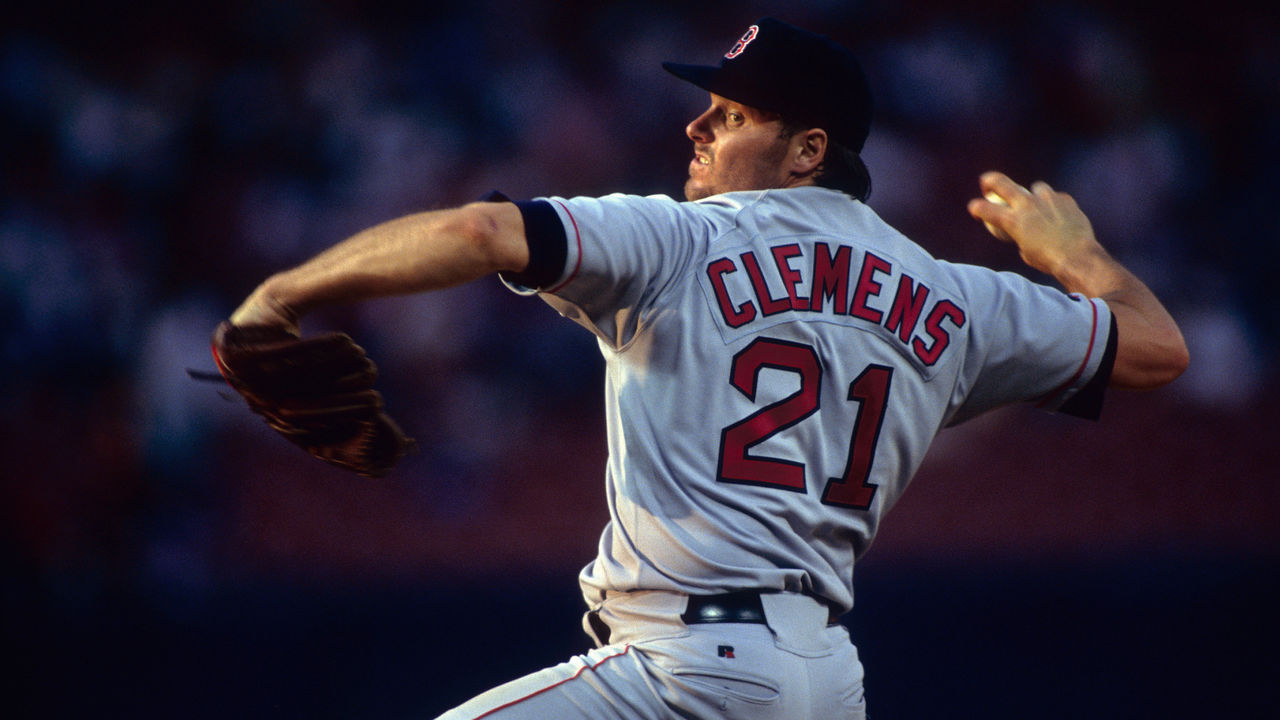
Position: RHP
Years: 1984-2007
Teams: Red Sox, Blue Jays, Yankees, Astros
S-JAWS: 101.6 (3rd at SP)
WAR: 139.2 (3rd)
Last committee appearance: 2023 (fewer than four votes)
| GP | W-L | ERA | K | WHIP |
|---|---|---|---|---|
| 709 | 354-184 | 3.12 | 4672 | 1.17 |
Clemens stands as arguably the greatest right-handed pitcher since the Second World War and ranks among the top five or 10 to ever stand on the mound. He's one of just four members of the 4,000-strikeout club, sitting third all-time in that category. Clemons also ranks ninth in career wins and is one of only 10 pitchers with both 300 wins and 3,000 Ks. His accolades include a record seven Cy Young Awards - at least one with each of his four teams - as well as the 1986 AL MVP, two pitching Triple Crowns, seven ERA titles, and five seasons as the league's strikeout leader.
Like Bonds, Clemens' connections to performance-enhancing drugs are the only reason he's not already enshrined. The Mitchell Report implicated Clemens, claiming he began using PEDs in 1998, the season he won his fifth Cy Young. Clemens has repeatedly denied all allegations and never failed a drug test after MLB implemented league-wide testing in 2005.
Carlos Delgado
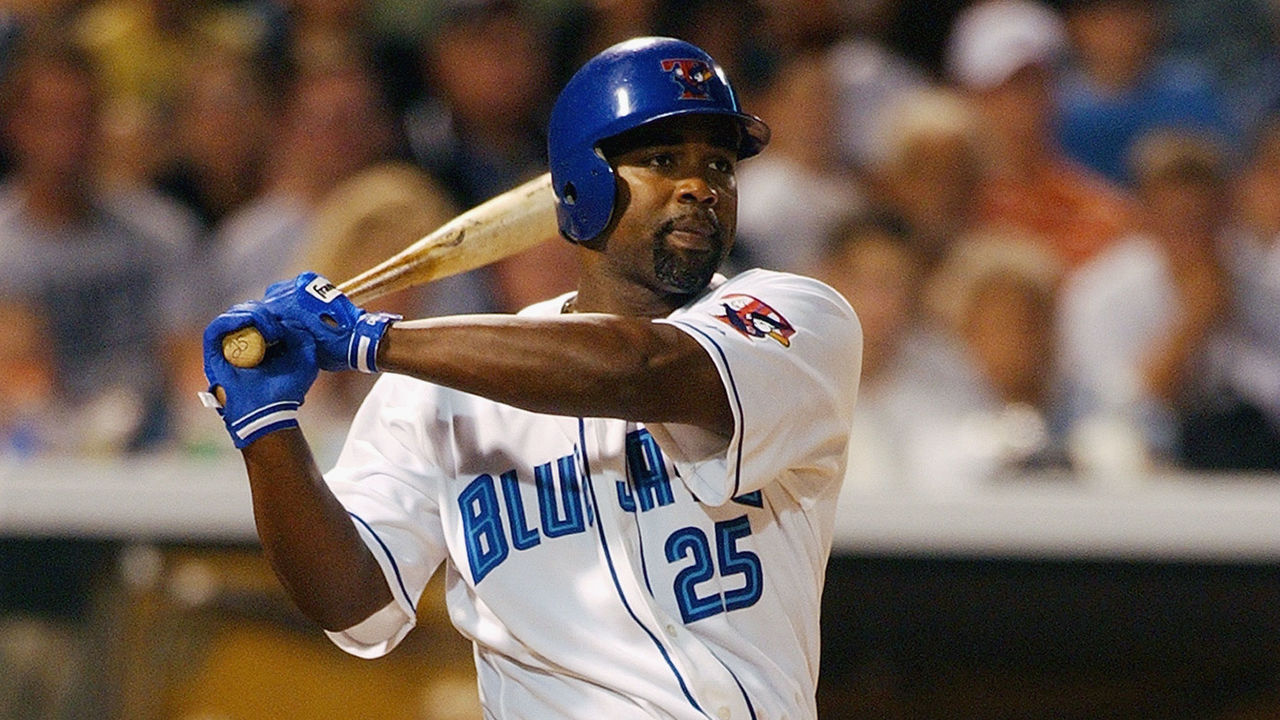
Position: 1B
Years: 1993-2009
Teams: Blue Jays, Marlins, Mets
JAWS: 39.4 (38th at 1B)
WAR: 44.4 (40th)
Last committee appearance: N/A (first committee appearance)
| GP | BA | OPS | H | HR | RBI |
|---|---|---|---|---|---|
| 2035 | .280 | .929 | 2038 | 473 | 1512 |
Delgado often got lost in the shuffle of the homer-heavy steroid era, but he slugged his way to some otherworldly seasons as the face of some otherwise poor Blue Jays teams. He produced a .546 slugging percentage, good for eighth all-time among hitters with at least 7,000 plate appearances and 12th since 1994. Along with three 40-homer campaigns, Delgado drove in 100-plus runs in nine seasons, including an MLB-best 145 in 2003. He captured the AL Hank Aaron Award in 2000, earned three Silver Sluggers, and finished as the AL MVP runner-up in 2003. A hip injury ended his career in 2009 at age 37, leaving him 27 homers shy of 500.
Delgado deserves more credit for producing these kinds of numbers without any links to PEDs. His one-and-done result on the BBWAA ballot in 2015 failed to reflect his impact, though that doesn't mean he should get a plaque. Among primary first basemen, Delgado's OPS+ is just one point higher than Paul Goldschmidt and trails a slew of Hall of Famers and other standouts. Poor defense and lackluster baserunning further weigh down his overall metrics. While it's good to see Delgado getting another chance, his odds of induction remain slim.
Jeff Kent
Position: 2B
Years: 1992-2008
Teams: Blue Jays, Mets, Indians, Giants, Astros, Dodgers
JAWS: 45.6 (22nd at 2B)
WAR: 55.4 (19th)
Last committee appearance: N/A (first committee appearance)
| GP | BA | OPS | H | HR | RBI | SB |
|---|---|---|---|---|---|---|
| 2298 | .290 | .855 | 2461 | 377 | 1518 | 94 |
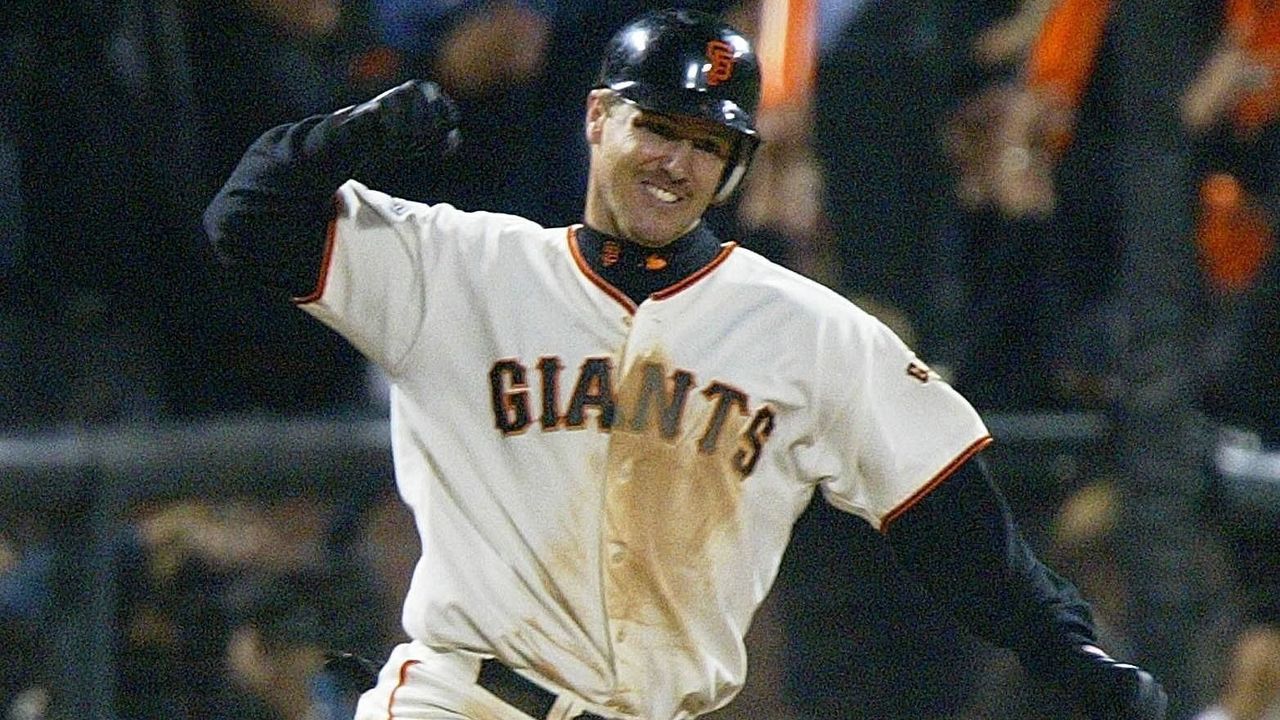
Kent instantly comes to mind when you think of slugging second basemen. His 377 homers are by far the most ever by a primary second baseman, and his .577 slugging percentage trails only Rogers Hornsby at the position with at least 7,000 plate appearances. Kent showed flashes of his potential during his first few years, but his breakout truly began after a 1997 trade to the Giants. Teaming with Bonds for six seasons in San Francisco, Kent posted a .903 OPS with 175 homers, won the NL MVP in 2000, and led the Giants to a pennant in '02. A five-time All-Star and four-time Silver Slugger, he was also a key contributor to playoff runs with Houston, Cleveland, and the Dodgers.
Kent's bat was great, but his defense, whether at second or another infield position, left much to be desired. His minus-42 fielding runs, a stat that encompasses all eras, is among the worst ever at the keystone, and his defensive shortcomings drag down some of his metric scores. Still, even at a position where the glove matters, Kent's unparalleled offense and lack of PED ties might help him grab votes here. He was gaining traction when he aged off the BBWAA ballot two years ago, and he now takes that momentum to a committee known for rewarding the more traditional stat-based resumes like his.
Don Mattingly
Position: 1B
Years: 1982-1995
Teams: Yankees
JAWS: 39.1 (40th at 1B)
WAR: 42.4 (45th)
Last committee appearance: 2023 (8 of 16 votes)
| GP | BA | OPS | H | HR | RBI |
|---|---|---|---|---|---|
| 1785 | .307 | .830 | 2153 | 222 | 1099 |
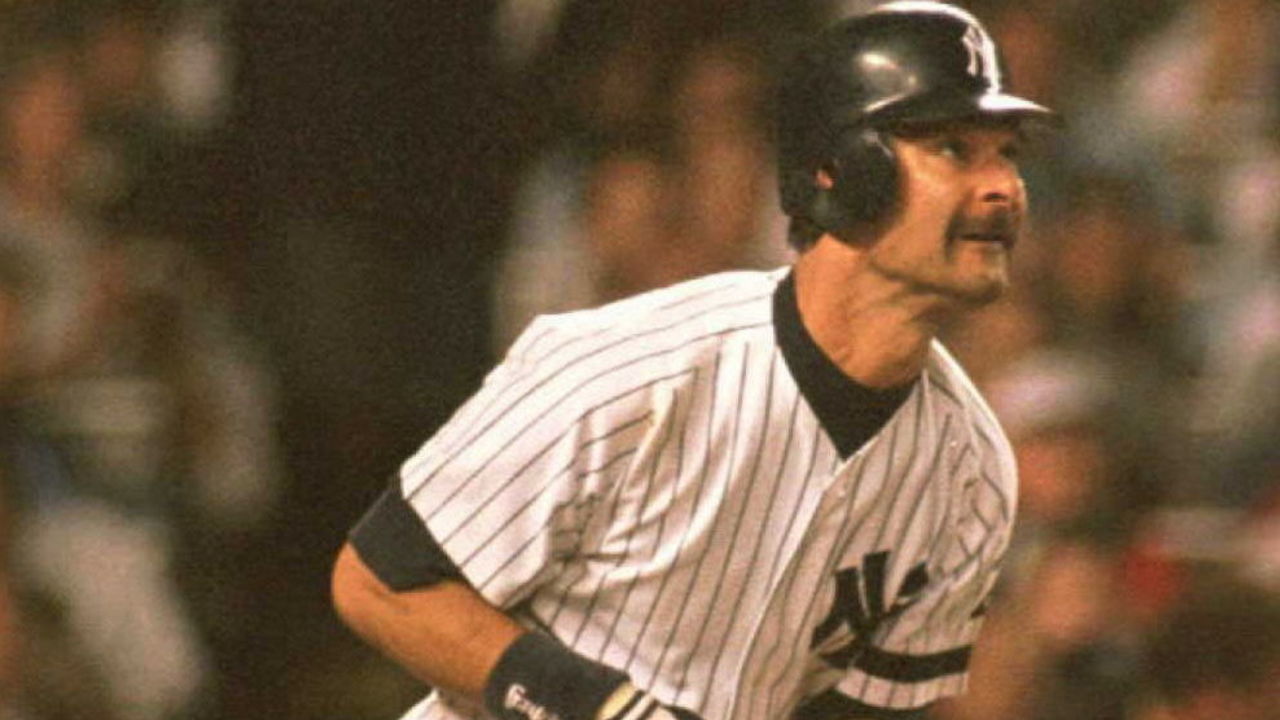
Mattingly stood out as the Yankees' shining star during one of the franchise's most forgettable eras. At his peak, few players were better. Over his first seven full seasons from 1983-89, the sweet-swinging first baseman slashed .324/.369/.522, led his league in hits twice and RBIs once, and posted three 200-hit campaigns. He also won the 1985 AL MVP, three Silver Sluggers, and five of his nine career Gold Gloves during that stretch. However, back injuries derailed his trajectory, limiting him to league-average play over his final six seasons before he retired early at age 34. Mattingly later found success as a manager, winning 889 games over 12 campaigns between the Dodgers and Marlins, although the committee won't consider that in this election.
As beloved as "Donnie Baseball" may be across the sport, Mattingly's injuries ultimately doomed his Hall of Fame chances. Even when using the more traditional stats, his hit totals are relatively low for his position, and his 127 OPS+ sits 30th among primary first basemen with at least 7,000 plate appearances - behind the likes of Keith Hernandez, John Olerud, Adrián González, and Delgado, among others. Factoring in his managerial resume wouldn't boost his case much anyway. Although his Dodgers teams were outstanding, the club didn't win a pennant until after he left. Mattingly had a great career, but there are far more glaring omissions at first base from his era.
Dale Murphy
Position: CF/RF
Years: 1976-1993
Teams: Braves, Phillies, Rockies
JAWS: 43.9 (27th at CF)
WAR: 46.5 (37th)
Last committee appearance: 2023 (6 of 16 votes)
| GP | BA | OPS | H | HR | RBI | SB |
|---|---|---|---|---|---|---|
| 2180 | .265 | .815 | 2111 | 398 | 1266 | 161 |
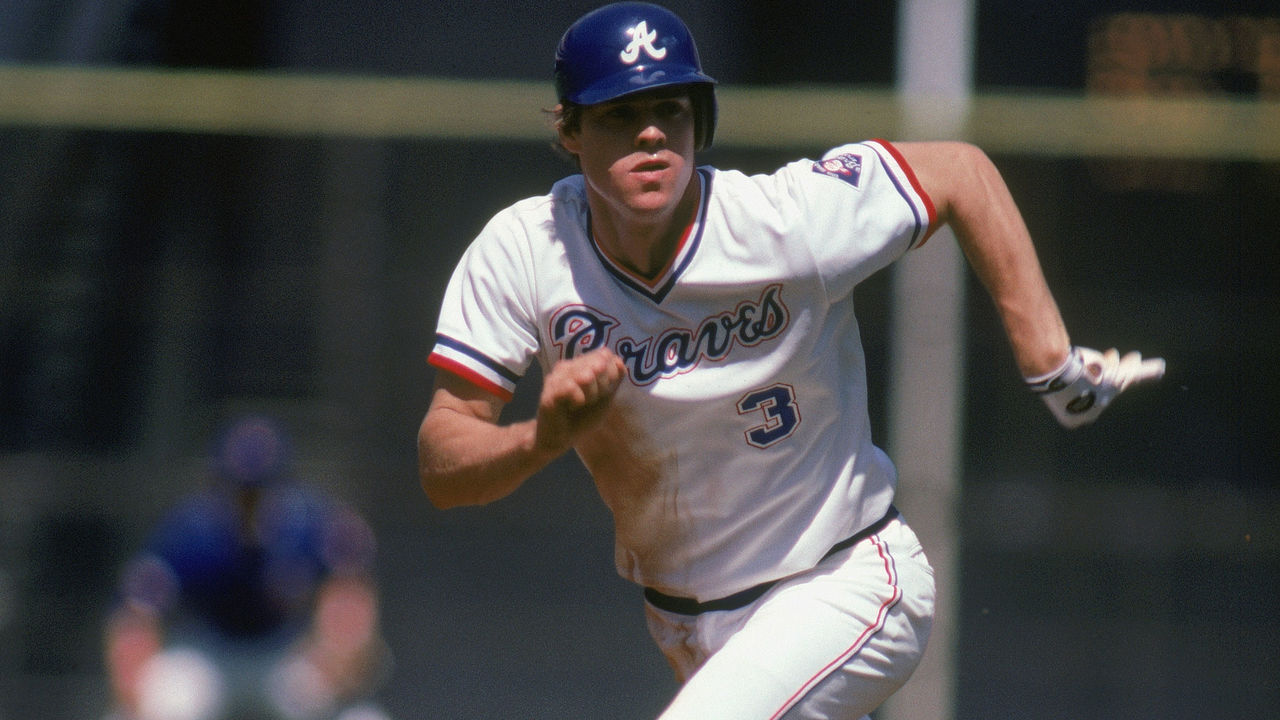
Originally a catcher, the Braves moved Murphy to center field after arm issues made it difficult for him to throw the ball back to the pitcher. The position change made him an instant superstar. From 1982-87, he ranked among baseball's elite, capturing consecutive NL MVP awards in 1982 and '83, earning five Gold Gloves, three Silver Sluggers, and two home run crowns. During the dominant stretch, Murphy posted a 145 OPS+, averaging 36 home runs and 105 RBIs per season. Unfortunately, knee injuries after his age-31 campaign prompted a sudden decline. Over his final six years, Murphy accrued just 4.9 WAR and never posted an OPS above .735 before retiring in May 1993.
If you value dazzling peaks over steady compilers, Murphy is your candidate. But the statistical shortcomings that kept him below 23.2% on the BBWAA ballot over 15 years - and led three previous committees to pass on him - are hard to ignore. Like Mattingly, injuries left Murphy lacking in both traditional and advanced stats despite the enormous heights reached. However, his clean-cut image and status as one of the most respected and gentlemanly players of his era could boost his chances. That reputation should help him stand out on a ballot featuring several candidates with controversial off-field personalities.
Gary Sheffield
Position: RF/LF/3B
Years: 1988-2009
Teams: Brewers, Padres, Marlins, Dodgers, Braves, Yankees, Tigers, Mets
JAWS: 49.3 (25th at RF)
WAR: 60.5 (20th)
Last committee appearance: N/A (first committee appearance)
| GP | BA | OPS | H | HR | RBI | SB |
|---|---|---|---|---|---|---|
| 2576 | .292 | .907 | 2689 | 509 | 1676 | 253 |
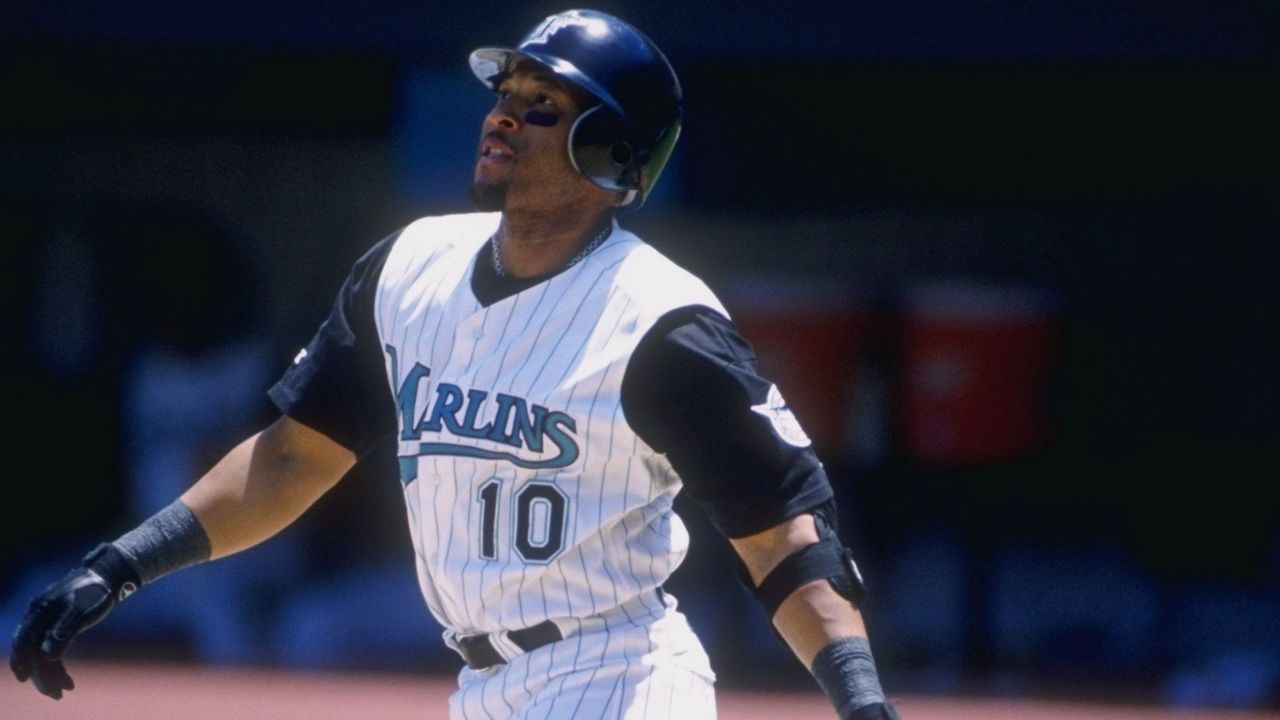
It didn't matter where he played defense or what uniform he wore: for 22 years, Sheffield and his iconic bat waggle absolutely terrorized pitchers. A member of the 500-homer club, Sheffield produced eight 30-homer seasons, batted above .300 nine times, and won a batting title. Also disciplined at the dish, he never struck out more than 83 times in a campaign and drew more walks than strikeouts in 15 different years. Sheffield ranks 21st all-time in walks, top-30 in RBIs, homers, and times on base, and top-40 in total bases and runs scored. While his terrible defense at multiple positions drags down his overall metrics, his extraordinary offensive production makes his iron glove easy to overlook.
Despite his accomplishments, Sheffield took ages to gain traction on the BBWAA ballot, only crossing 60% support in 2024, his final year of eligibility. That shouldn't come as a surprise. Always outspoken, Sheffield was never afraid to stir the pot on any issue or challenge members of the media. His connection to PEDs also complicates his candidacy, with Sheffield admitting to using a testosterone-based substance in the early 2000s. In 2004, he asserted he didn't know the "cream" contained a banned substance and said he stopped using it as soon as he found out. Aside from that episode, Sheffield has consistently maintained that he played clean, and he was a fierce advocate for drug testing years before MLB implemented its program.
Fernando Valenzuela
Position: LHP
Years: 1980-1997
Teams: Dodgers, Angels, Orioles, Phillies, Padres, Cardinals
S-JAWS: 36.6 (173rd at SP)
WAR: 41.4 (172nd)
Last committee appearance: N/A (first committee appearance)
| GP | W-L | ERA | K | WHIP |
|---|---|---|---|---|
| 453 | 173-153 | 3.54 | 2074 | 1.32 |
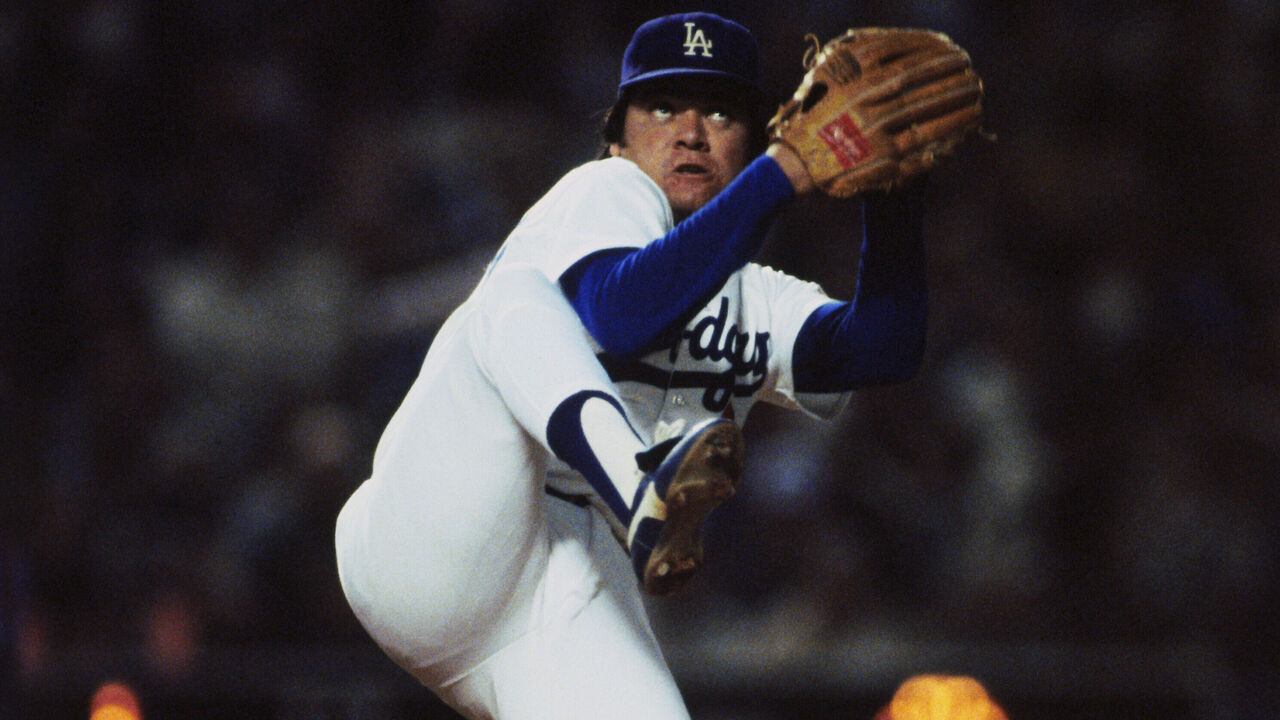
An icon in his native Mexico, Valenzuela and his trademark screwball captivated baseball during the early 1980s, beginning with his historic 1981 Cy Young-winning rookie season that sparked "Fernandomania." The campaign remains arguably the greatest debut ever: a 2.48 ERA with 180 strikeouts, 11 complete games, eight shutouts, and just 11 homers allowed in 192 1/3 innings for the World Series champion Dodgers. Valenzuela followed with three more top-five Cy Young finishes, led the NL in wins in 1986, made six All-Star teams, and threw a no-hitter in 1990. Considered a better hitting pitcher than most, he also won two Silver Sluggers.
A true workhorse, Valenzuela averaged over 233 innings and nearly 11 complete games a year during his first 10 full seasons. That heavy workload contributed to his downfall, though, as he never truly replicated the magic of 1981 and later battled shoulder issues. Following his age-25 season, Valenzuela performed below league average and finished his career as a journeyman after the Dodgers released him in 1991. Yet his impact on the sport is undeniable, paving the way for all the Mexican stars who've come in his footsteps. Still, while his cultural legacy is immense, Valenzuela falls well short of Hall of Fame standards.
Prediction
Here's hoping the Hall finally rights serious wrongs and rewards Bonds, Clemens, and Sheffield with the plaques they deserve. But based on the makeup of this ballot, the odds are clearly stacked against the controversial trio. We expect the committee to go for some cleaner images by electing Kent and Murphy.